
In the fast paced world that we live in, it can be a huge challenge to carve out time to think about the basics. Convenience is key, which plays a huge part in the disconnect between people and their food sources, in the sense of the traditional supermarket. We grab, we go, we rush and the cycle repeats itself. This cycle prevents us from taking the time to acknowledge where our food comes from and how it gets to our big shops. It takes an intentional effort to learn more about our food system, which is why transparent, nature - first practices are an integral part of our mission.
Let's talk Organic Certification:
“For me, choosing Organic isn't just about what we leave out of our bodies—like synthetic pesticides and chemicals—it’s about what we put back into the earth. It’s a commitment to soil health, biodiversity, and a food system that works with nature rather than against it. When you buy organic, you’re investing in a future where our farmland stays fertile for generations to come." - Shiv Misra, Kindly founder
You may have seen a variation this label on your organic food packaging:

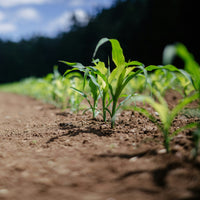
Organic farming methods act as an umbrella term for a multitude of ethical farming practices. For example, soil health is heavily intertwined in organic farming. With the reduction in synthetic pesticides, organic farmers often use alternative methods of looking after their crops. By using alternatives such as compost, they promote soil fertility and increased biodiversity, creating what is called the ‘Soil Food Web’. This can be further explained as the community of organisms living all or part of their lives in the soil. These farming practices also produce cleaner water. The run off from the plants has a reduced amount of synthetic chemicals, supporting healthier water sources.

Whilst this is a great place to start, it’s important to acknowledge that getting organically certified by a reliable certification board is extremely expensive. Smaller businesses, like many we stock, cannot afford to spend the money to do this. So whilst the product may be organic in itself, it may not be labelled as such. We stock many products that have a huge focus on working with nature, such as Hedgewitch. The founder behind Hedgewitch, Jane, forages a majority of her ingredients, but official organic certification is not possible for an independent business. This is integral to acknowledge, highlighting the complexities of our food systems.
Regenerative Farming:

Regenerative Farming goes beyond organic practices. Growers will work with nature to improve soil health, biodiversity and water quality. The overall goal is to improve the environment. Regenerative agriculture and farming has seen an increase of discussion and we predict this will increase. Efforts like this encourage growers to provide more transparency around how they are growing their produce - which we love!
Initiatives that are Connecting People to their Natural Food Systems:
Moulsecoomb Forest Garden & Wildlife Project:
This local initiative prioritises the symbiosis between people and nature. They grow a variety of plants that encourage natural wildlife and biodiversity. Everything they grow is organic, fed by their massive compost bins, and complemented by manure and stinking nettle liquid. As well as growing food, they have wildlife-friendly habitats, ponds and plenty of places for people to sit and enjoy the garden. Fruit and vegetables are used for lunchtimes with any spares going to the seniors club at The Bevy or Moulsecoomb Primary’s harvest festival.

They also give their volunteers the chance to harvest, cook and then eat the vegetables that have been growing; giving people an understanding of seasonality and a sense of connection to the garden around them. All organic waste goes back into their compost bins.
Brighton Permaculture Trust:

Permaculture is about living in harmony with each other and nature.Brighton Permaculture Trust uses permaculture design principles as a toolkit to make a positive difference to communities in our city and across Sussex. Their projects promote sustainable development - or better yet, regenerative development - ensuring that both current and future generations thrive.
Langridge Organic:
Organic Fruit & Vegetable Wholesaler, Langridge Organic Products has its roots in the mid 80s at Langridge Farm amidst the rolling hills in the heart of Devon, providing a perfect environment to produce organic food.

The soil has been constantly enriched by a sound ecosystem, comprising a long rotation of crops and fertility-building leys. The food from this system is renowned for its superb flavour. Langridge now has growers throughout the UK, Europe and the rest of the world all working to the original uncompromising standard practised by Bernard Govier, their founder and mentor.
From the beginning, marketing produce grown on their own farm, they now offer a wide range of local organic vegetables, fruit, dairy and other selected organic products from all over the world.