
This time of year we love to indulge in the delicious confectionary that is chocolate. There's chocolate bunnies, chocolate eggs, chocolate lollies, the list truly is endless. Whether you celebrate Easter or not, you’ve probably noticed that chocolate prices have been steadily rising. Climate change, and a growing awareness around supporting ethical, sustainable and human practices across the cocoa supply chain, have resulted in some seriously expensive beans!
Did you know?
The UK is a major cocoa importer, acting as the fifth-largest importer of cocoa beans in Europe, importing just over 79,000 tonnes of cocoa beans, in 2021.
Almost 91% of the cocoa beans imported to the UK — come from climate-vulnerable countries such as Ecuador, Indonesia and Ghana.

Chocolate in a time of climate insecurity:
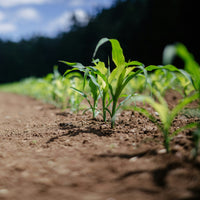
Extreme soars in temperature and erratic rainfall due to climate change affecting cacao growing regions in West Africa, Latin America and Southeast Asia, have created unreliable growing conditions - making production unpredictable and unstable. According to Fairtrade America, cocoa trees are sensitive to changing temperatures, and environmental shifts, reducing the cocoa bean yield. As a result, cocoa bean prices have skyrocketed 400% in the past year alone.

Working towards a more ethical supply chain:
The price of chocolate rising in some cases also reflects the ethical supply chain practices that independent brands are fighting for. The history of the chocolate industry is vast and unfortunately built on exploitation and capitalistic priorities. Whilst we have rules and regulations to prevent powerful businesses taking advantage of farmers and growers, there is still unethical treatment rife within the industry including low wages, child labour, and slave labour. Charities such as The Fairtrade Foundation are making waves and helping ensure that producers and growers are getting the compensation and treatment they deserve. The organisation does integral work in supporting cacao farmers in receiving a fair wage and offering support during climate insecurity, allowing them to adapt and still have a wage to rely on.
Industry champions such as Tony’s Chocolonely, who pay premium prices for beans to ensure their supply chain is 100% slave-free, and Divine, who share a slice of their profits by being 45% co-owned by their cocoa farmers, are leading the way in creating a fair and resilient future for both producers and consumers. Paying that little bit extra helps support ethical, sustainable and humane practices.

The future of cacao:
As climate change continues to affect cacao farmers, the future of the chocolate industry is uncertain. Scientists and researchers are constantly working on solutions to keep cacao farmers in business and choccy chompers satisfied. Introducing more resilient agricultural systems, such as agroforestry, is one proposed solution. Agroforestry, which mimics a natural forest environment through the integration of different trees into a cacao forest, provides additional shade and cooling for cacao trees as well as encouraging biodiversity, improving soil health, and diversifying income streams for farmers through other harvests such as rubber trees.
Transitions to new systems such as these will take time, with investments needed across labour, infrastructure, and time. There are organisations such as Cacao Barry who are working to help facilitate agroforestry and prioritise land sustainability.
The future of chocolate:
Although traditionally we know chocolate to come from the cacao bean, to circumvent the turbulence of the chocolate industry, people have been experimenting with alternative ingredients that keep the same great taste. Whilst some corporations are upping the milk and palm oil content to compensate for dwindling cocoa content, brands like Nukoko are reimagining chocolate and working on an alternative. They are using the mighty fava bean as an alternative to the smooth and rich confectionary that we all love. Through a process of drying, roasting, winnowing and grinding they create a powder packed full of flavour compounds, colour and a delicate aroma. Through identifying the sensory factors of chocolate, they managed to make something that looks, smells and acts like chocolate - although legally unable to be called chocolate due to its low cocoa content.

Carob acts as another popular alternative to chocolate. Made from the legume family, carob is a naturally sweet, low fat, full of calcium and gluten free. Native to the Mediterranean and Middle Eastern regions, these beans are naturally caffeine free and known to be an antioxidant powerhouse. There is hope!
How can you shop ethically this Easter (and beyond)?
Your money directly impacts businesses in a supply and demand world, it shows large companies what you value most. We understand that it can be quite overwhelming to determine what products are most value for money whilst also aligning with your personal ethics. By shopping at Kindly, you are already choosing more sustainably by shopping 100% plant-based - cutting emissions, land use, and deforestation compared to chocolate containing dairy.
By purchasing ethical, plant based chocolate products, you aren't just supporting a fair wage for the cacao growers but are also supporting more sustainable practices, helping prevent worsening environmental conditions.
To make it a bit simpler, we've given some tips and recommendations below.
What to look out for:
Rainforest Alliance:

The Rain Forest Alliance is an international non-profit organisation dedicated to creating a more sustainable world by protecting forests, improving the livelihoods of farmers and forest communities, and promoting human rights
The Soil Association / Organic:

One of the first founders of the global organic movement, The Soil Association developed some of the world’s first organic standards for protecting producers, consumers and the soil by encouraging nature-friendly farming methods. They continue their work, to this day, in supporting organic growing standards, the farmers of the crops and the customers who buy the products.
B Corporation Certification:

B Corp evaluate ethical and sustainable business practices, holding businesses to a standard that provides customers transparency and reassurance of ethical practices.
Fairtrade:


To be certified as Fairtrade, the company producing the product must follow a set of standards to ensure an ethical supply system. They work with small - scale farmers globally to support a fairer, more ethical supply system. This allows growers to earn an acceptable income, work in safe conditions and give them the autonomy to invest in their own future.
Recommendations of brands you can trust:
We stock lots of amazing brands working to support cacao farmers directly during these challenging times in creating more resilient supply chains and better working conditions. We think it’s totally worth it to pay that little bit extra to support a fair and stable future chocolate industry. All brands (and more!) can be found at a Kindly near you.
VEGO
All VEGO products are Fairtrade* certified. It is of utmost importance to them that their products are manufactured under fair conditions, and free from child labour. VEGO products are made without compromise, with natural ingredients of the highest organic** quality. VEGO is characterized by very high-quality raw materials such as hazelnut paste, cocoa butter, almond cream and ground vanilla. They also don't use soy or palm oil.

Montezuma’s
Montezuma's is passionate about protecting our planet, which is why they’re dedicated to sustainable practices at every stage of their chocolate-making journey. That’s why they’re super proud to be the first chocolate company to go all-in on packaging that’s recyclable, compostable, and biodegradable—yes, all of it! And guess what?
Their office, factory, and stores run on 100% renewable energy. They are committed to being zero waste and are always looking for ways to reduce their environmental footprint. By choosing Montezuma’s, you’re joining in making the world a tastier, greener place—one bite at a time!

Tony's Chocolonely
This incredibly tasty chocolate proves things can be done differently. Tony’s rules of the game for fairer chocolate puts human rights at the centre of business, allowing companies to source cocoa sustainably while still enjoying commercial success.

Ombar
Ombar is a small but mighty team crafting cacao-led chocolate in Cambridge, sourcing fairly from Ecuador, and now stocked in supermarkets across the UK — proving chocolate can taste good and do good. Not only are they B Corp certified, but also have no refined sugar, organic and fair trade!

Divine
45% of this B Corp certified company is owned by the Ghanaian co-operative, Kuapa Kokoo. This significant stake makes them co-owners, giving them a share of the profits, seats on the board of directors, and a voice in the company's decision-making and global supply chain. Divine is also palm oil free, adding another layer to their environmentally conscious practices.

Raw Halo
Raw Halo produces organic, single origin and ethically made chocolate bars. They source their ingredients from small, organic farms that trade their produce for a fair price and treat their communities well. Their packaging is 100% sustainable and recyclable too!

Happi:
Happi buys their chocolate from Luker Chocolate, a family-owned business in Colombia who have been growing cocoa for over 100 years. They guarantee that their chocolate is slave- and child-labour free, and their farm-to-bar method ensures a transparent and ethical supply chain. Their cardboard packaging are fully recyclable and the inner wrap is made from plant material (Natureflex) so can be home composted.